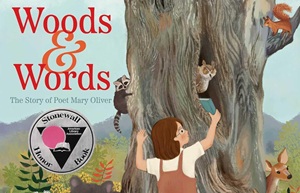
Jolene Gutiérrez and Emily Barth Isler, both Boyds Mills community members, celebrated the publication of their picture books this year. [Minoru (Min) Tonai, Jolene’s friend and a Japanese American rights activist, educator, and leader, passed away before the book could be published.]
In a recent conversation with our team, Jolene realized that the books, while different in topic and approach, both find beauty and strength in painful chapters of human history. She invited Emily to widen the conversation and share it with our community.
They started with the question: what does it mean to tell the truth to children about history, loss, and injustice that real families have lived through? Jolene, Min, and Emily thought deeply about how to bring those stories to young readers with honesty, care, and hope. Here, we transcribed some of the best quotes from Jolene and Emily as they shared those reflections with us.
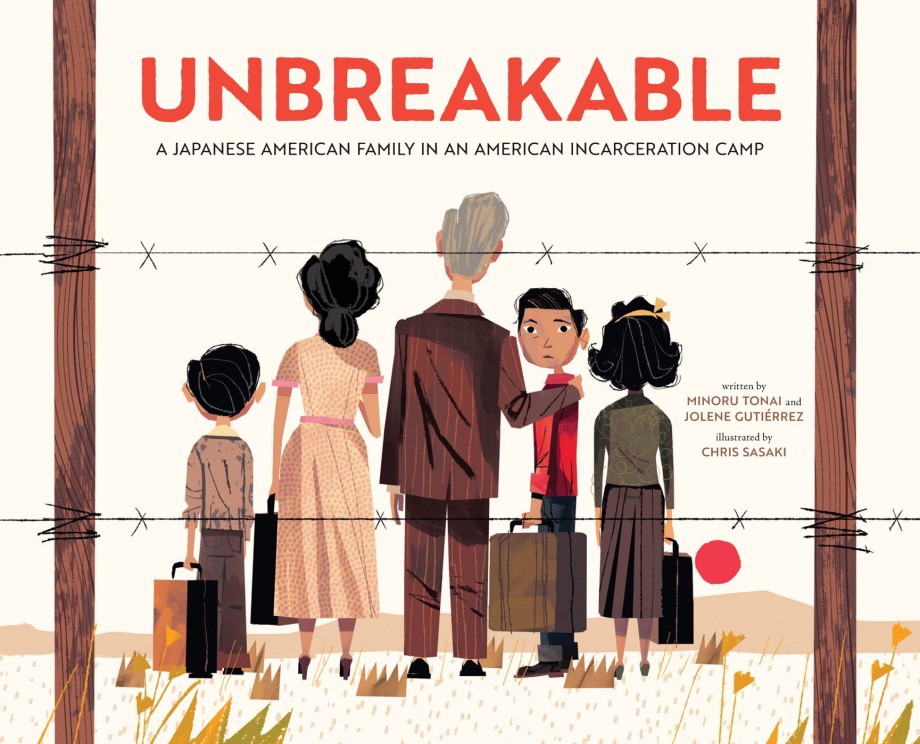
Jolene, a student turned Boyds Mills faculty member, published UNBREAKABLE: A JAPANESE AMERICAN FAMILY IN AN AMERICAN INCARCERATION CAMP, co-written with Minoru (Min) Tonai. It tells the real story of a Japanese American boy whose family was forced into an incarceration camp in Colorado during World War II.
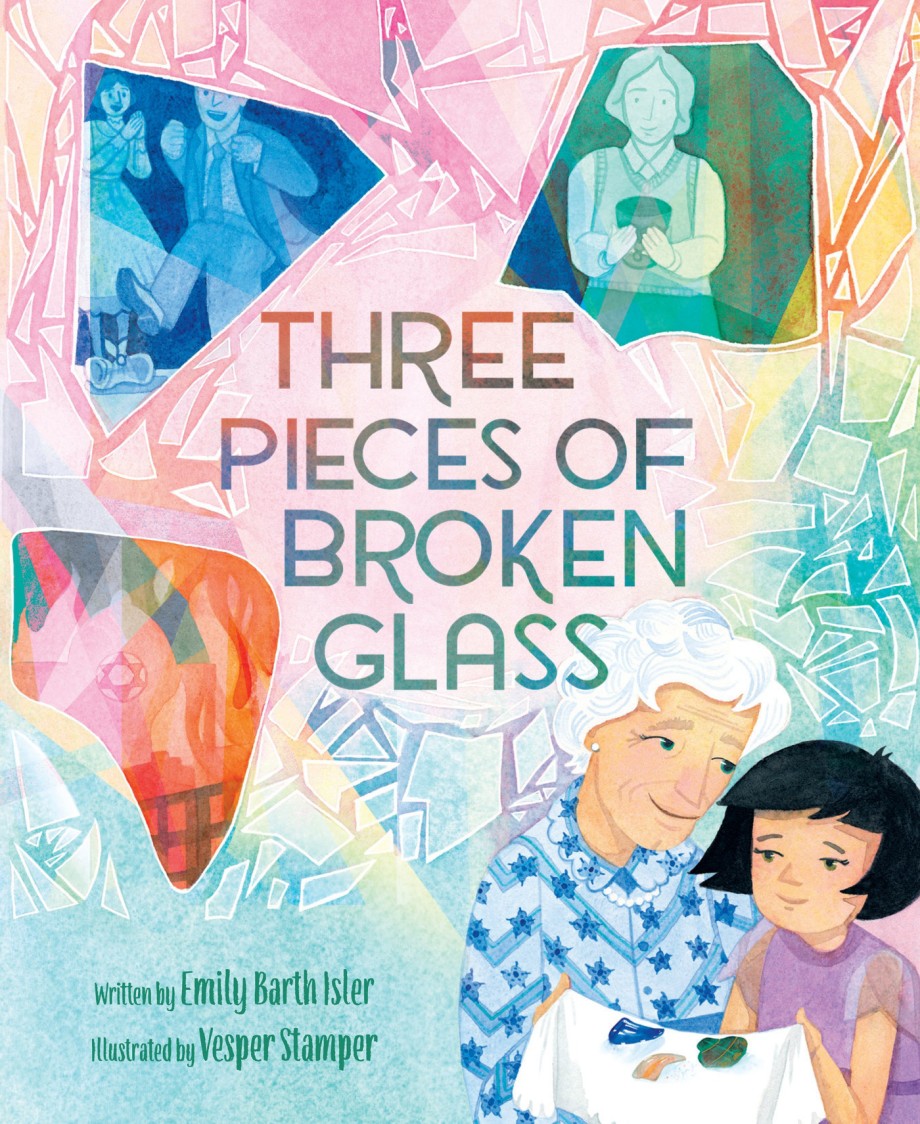
Emily Barth Isler’s, a Boyds Mills student, published THREE PIECES OF BROKEN GLASS. This book (which she workshopped at Boyds Mills), draws on her own family history, following a great-granddaughter who learns the stories behind three shards of glass on her grandmother’s windowsill, from a Jewish wedding to the smashed windows of Kristallnacht.
1: On Doing Your Research and Knowing Your Age Range
“You need to know the age range for your story when you start writing; know some developmental facts about [your readers]. Hopefully you’ve worked with or spent time with kids who are amongst that age range so that you have a better feel for what they can handle and what is maybe too much.” — Jolene
“Do your research, know the time period, and hopefully know it from different perspectives. “ — Jolene
2: On Being Be Honest
“Any time that an adult is not completely honest or is, you know, kind of hemming and hawing around something, it only serves to make kids feel a little more uncomfortable. So, I think being honest and trying to meet them where they are and not tiptoe around the topic is important.” — Emily
3: On Thinking About Your Reader’s Point of View
In UNBREAKABLE, Min and Jolene included the detail of the family being forced to leave a pet dog behind: “I knew as an animal-loving person that that detail would have affected me as a child reader.” — Jolene
Emily, on using the image of shards of glass to ground her story and give readers something tangible that’s also relevant in their own world: “I think having something concrete for kids to literally or figuratively hold onto is so helpful in the context of a larger and sometimes more upsetting story. It grounds it in the present moment...Give your readers clear details to latch onto that are easy to understand. And then they can start to have the layers of understanding on top of that as the story gets more nuanced.” — Emily
4: On What Happens After the Last Page Turn
“I wanted my story to feel very Jewish, very personal to people, to my family who are Jewish, where this is our history. But I didn’t want it to only be for Jewish readers. I want other people from other cultures, other religions, other histories to see how common our struggles all are.” — Emily
“I like to make myself open to readers and encourage them to share their thoughts. People send emails and letters, and I love that. But also, you can also direct them towards other adults in their life who might be there to answer questions if they have a more specific question. You can let them know that, even though they are powerful and capable, they still need adults in their life and that it’s OK to reach out to ask questions.” — Emily
5: On Offering Kids Hope and a Call to Action
“Offer kids two things after you offer them the truth. One is hope, which is some way that you can frame the story so that your readers have a feeling where things are going to be OK. And then the other thing is to offer them a way to be active [e.g. pointing them to activism organizations] which can stave off some of the anxiety that kids have, I think, when they feel like there’s nothing anyone can do.” — Emily
“Young readers don’t want to be left feeling helpless. Giving them this little uplift at the end, if that is appropriate and fitting to your story, and giving them ways that they can make a difference is so, so important.” — Jolene