
Whole Novel Workshops
Whole Novel Workshops at Boyds Mills offers writers the rare opportunity to have the draft of a novel read with written feedback and private consultation. It also offers presentations and community-building specifically designed for novelists at this stage in their writing journey, and is designed to help writers make significant progress toward submission.
Apply Now for an Upcoming Session
Whole Novel Workshop: An In-Person Retreat for Novelists (August)
Starts: August 15, 2026

Whole Novel Workshop: A Virtual Course for Middle Grade and Young Adult Writers (Fall)
Starts: October 6, 2026
Whole Novel Workshop: An In-Person Retreat for Novelists (October)
Starts: October 18, 2026
The Whole Novel workshop was a game-changer for me. It’s not just an invaluable writing course, but a tremendous value all around. For the less than the cost of hiring an independent developmental editor, you get a thorough reading of your entire manuscript, a detailed big-picture edit letter, a community at the same stage of the process, and the time and the space to work through the editing process. (Huda Al-Marashi)
I went in with a good story. After making the revisions suggested by Crystal Allen, my faculty mentor, my manuscript won the Society of Children’s Book Writers and Illustrators 2022 Emerging Voices Award. Many conferences and critique groups provide opportunities to get feedback on your first 10 pages. However…[this is] a chance to get extensive comments on your whole manuscript before the workshop, so you have time to solve the problems in a stimulating, supportive atmosphere. (Paul Ruffins)
I wanted to find a happy medium because I didn’t want to let go of that thing that was really important to me. And because I was there for five days and because we had writing time, I thought of a of a happy medium and I actually got to write out a few scenes using that [altered] approach and read them to Erin, and then we got to discuss them. I had that breakthrough of how I could honor my original vision, and sort of get away from this issue that, you know, she had and my agent had. And my agent has to love the book, because she can’t sell it if she doesn’t love the book. And because I was there in person and had time to write, it was like, “I thought I should try this. And here’s what I did. Do you think this is working better?” And she was able to say, “Yeah, it is. You’re close. But how about if you do this one other thing to hit at home?” And I was like, yes! [It] was really great fun and it was really helpful. (Karol Ruth Silverstein)
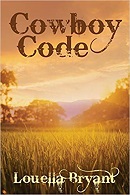
“Thanks to the thorough and insightful feedback on my YA novel manuscript at the Whole Novel Workshop two years ago, Cowboy Code was picked up by a publisher and will be released this August. I had been laboring over the book for years, and it took a week at [the Whole Novel Workshop] to show me where I needed to pump energy into the manuscript. Thank you, faculty and participants, for for an inspiring and valuable experience.”
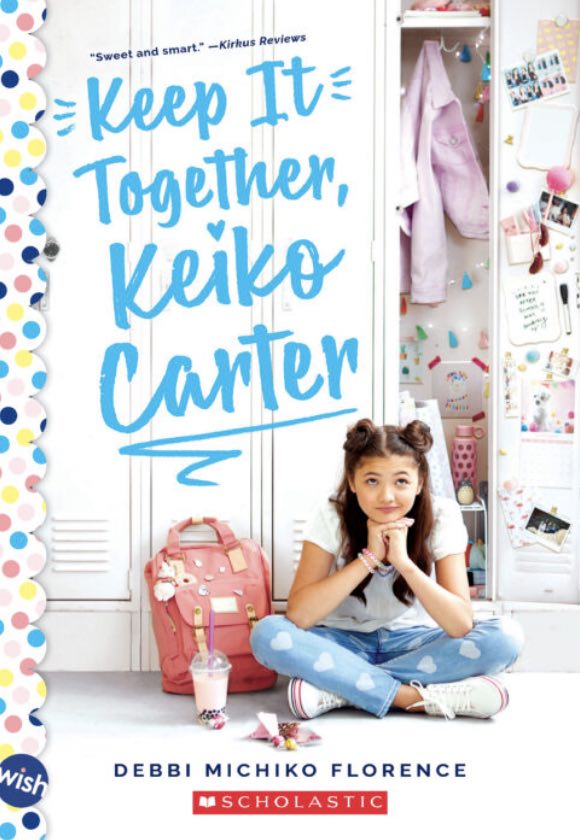
“The Whole Novel Workshop was pivotal in helping me revise Keep It Together Keiko Carter – I honestly believe it was because of this workshop AND Jennifer Jacobson’s astute and insightful guidance that I was able to sell the book as quickly as I did.”
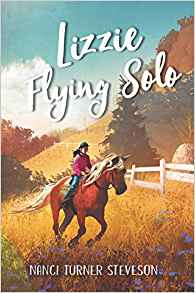
“Attending the Whole Novel Workshop changed not only the course of my career, but also the scope of my writer friendships. I gained so much knowledge by immersing myself into the culture that is part of Boyds Mills, and came away with the exact tools I needed to plunge in, rework my manuscript, and sign my first two-book contract with HarperCollins. I’ve since signed a second two-book contract with them and I have no doubts that what I learned at [the Whole Novel Workshop] made the difference, and I am still utilizing that knowledge today…”
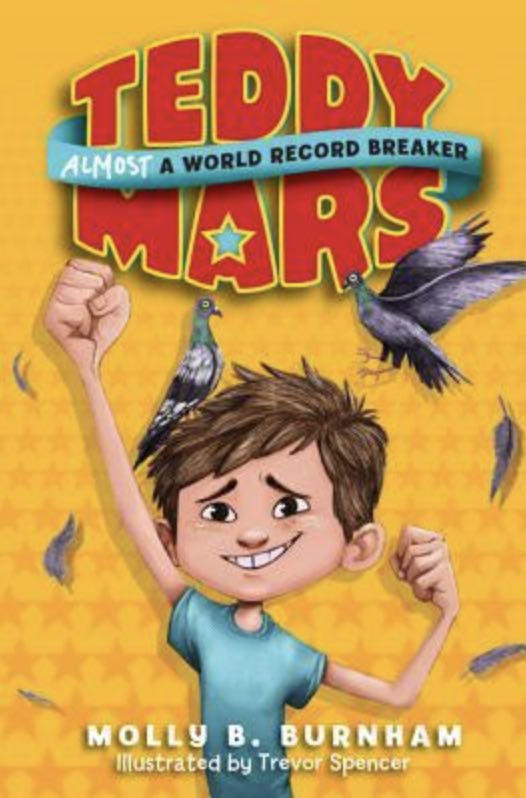
“My Teddy Mars series came out after doing the Whole Novel Workshop with Stephen Roxbury and then my latest book, The Infinite Questions of Dottie Bing, which comes out Fall 2022, was written and revised during two writer’s retreats.”
In a Whole Novel Workshop, you’ll:
- Have the entire draft of your novel (up to 85,000* words) read, with written feedback and opportunities for private consultations
- Connect with fellow writers
- Plan revisions
- Hear inspirational presentations
- Discuss your personal writing needs
- Make forward progress on your novel
You’ll move through this program alongside fellow authors who are in the thick of the creative process with you; from our experienced readers to your fellow attendees.
Whether you’re working toward getting your first novel published, or working on the next (or the next!), this workshop can help you see your work in a new light.
*If accepted, should your novel be over 85,000 words, we may ask you to summarize a portion or compensate your faculty reader for additional word count.

Applying for a Whole Novel Workshop
The Whole Novel Workshop is reserved for novelists who have made significant independent progress on their drafts and need a review of the “whole novel” to move forward in their revision goals.
As such, we ask that you apply to the course to make sure that the Whole Novel format is the best fit for your goals. Applicants should submit:
- The first 5 – 10 pages from the manuscript you wish to workshop
- A one-page synopsis or general outline
- Tentative page count, workshop goals, and a short bio (including how you are connected to this project)
Applications will be reviewed on a rolling basis, till the application deadline for each course.
Application deadlines generally fall about one month before the workshop start date, but may vary. See individual course descriptions for detailed dates and application instructions.
FAQ ABOUT THE WHOLE NOVEL WORKSHOP
Both versions feature skilled faculty mentors, craft presentations, peer group workshopping and writing exercises. The two main differences are:
- The in-person workshop offers a unique opportunity to focus and to network. At our Retreat Center, you are away from your daily obligations, cared for by our staff with 3 meals a day, have a private space to work in, and the opportunity to network with the entire faculty and other students during meals and lectures. In addition to your editorial letter from your mentor, you will get 2 private consultations, 1 via Zoom before the retreat and the other during the retreat.
- At the online workshop, you will have only 1 private consultation with your faculty mentor, but you are able to control when/how you ingest the lectures (they are all recorded in case you can’t attend live.) If you have obligations that keep you from travelling to the Retreat Center, you can still focus on your novel, take advantage of the valuable feedback, and make connections—at your own pace.
Here are some blog posts about the Whole Novel Workshop experience:
Discovering the Magic of the Whole Novel Workshop
Podcast: The Braintrust Critique with Nicole Valentine and Rob Costello
Why does the Whole Novel Workshop require an application?
The WNW is reserved for novelists who have made significant independent progress on their drafts and need a review of the “whole novel” to move forward in their revision goals. As such, applicants need to have a completed draft of their novel that matches the criteria for the course by the submission due date. There is no fee to apply; we just want to make sure that this format is the best fit for your goals.
Do I have to pay for the workshop when I apply?
No. You will be notified of your acceptance status and if accepted, asked to pay a $500 non-refundable deposit and set up a payment plan or pay your registration in full.
Is there a minimum word count for my finished manuscript?
There is not a minimum. Because the course works for all types of novels (graphic novels, verse novels, etc.) it would be hard to set a minimum.
What if my novel is more than your maximum of 85,000 words?
Your faculty mentor will read your one-page synopsis and UP TO 85,000 words of your whole novel. Should your novel be over 85,000 words, we may ask you to summarize a portion, or compensate your faculty reader for additional word count.
When applying, how should my submission be formatted?
- As one pdf document, beginning with your synopsis.
- In 12-point font with your name on each page of the document.
- Your file should be named as FirstName.LastName_Genre_Title (example: Reilly.Lou_YAHistorical_The Last Home in Ireland.pdf)
- Your submission can be single or double spaced, whichever works best for the type of novel you are submitting.
How will you match me with my faculty mentor?
We get to know students from your application and during the first Zoom session. We then suggest matches to the faculty and the faculty has a chance to accept who they are working with.
What format will my editorial feedback take?
Your faculty reader will read your entire novel (up to 85,000 words) keeping in mind the questions you bring up in your submission cover letter. They will provide an editorial letter for you. For the most part their feedback will be dedicated to BIG-PICTURE revision (as opposed to line-by-line comments.)
We cannot stress enough how important the cover letter is to your submission. It is the primary conversation point in engaging your reader in the feedback that you need.
In addition to this written feedback, you will engage in conversation with your faculty reader during a 1:1 Zoom session. This conversation will help you structure your revision and goals in moving forward with this project.
These two blog posts can give more insight into the mentor process:
How Your Mentor’s Letter Can Help Even Before the Workshop Begins
Whole Novel Mentors: They Read the Entire Manuscript and They Go Deep